This Alnylam promotional website is intended for UK Healthcare Professionals Only. Adverse Event Reporting information can be found at the bottom of the page. Prescribing Information links can be found with the content that they relate to.



Acute Hepatic Porphyria (AHP)
Acute Hepatic Porphyria (AHP)

Acute Hepatic Porphyria (AHP) is a group of rare genetic disorders caused by dysregulation of heme biosynthesis in the liver, leading to the accumulation of neurotoxic intermediates such as aminolevulinic acid (ALA) and porphobilinogen (PBG). It presents with acute, potentially life-threatening attacks, and may also cause chronic symptoms that negatively impact patient functioning and quality of life.1
Resources
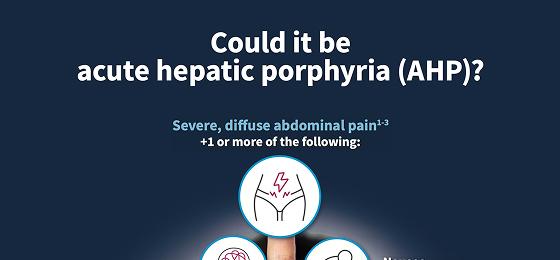
 Poster

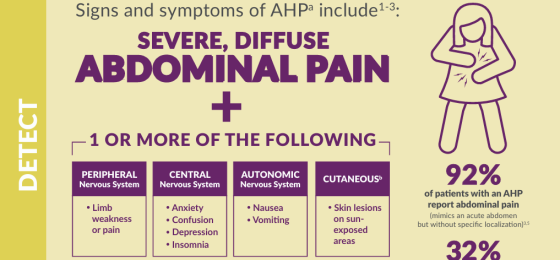
Therapies
GIVLAARI® (givosiran)
Explore clinical and educational resources related to the use of givosiran in adult patients and adolescents aged 12 years and older with acute hepatic porphyria (AHP).
Congresses


Acute Hepatic Porphyria (AHP)
American Association for the Study of Liver Diseases (AASLD) 2025
Acute Hepatic Porphyria (AHP)
International Porphyrias Symposium (IPS) 2025

Acute Hepatic Porphyria (AHP)
International Congress of Inborn Errors Metabolism (ICIEM) 2025
Publications
Acute Hepatic Porphyria (AHP)
Patient experience with acute hepatic porphyria before and after long-term givosiran treatment in a qualitative interview study
Molecular Genetics and Metabolism Reports
References:
1. Moghe, A, Dickey A, Erwin A, et al. Molecular Genetics and Metabolism. 2023;140(3).




Preparation Date: January 2026 Job Code: MB-UK-00038
